I have been in the freight industry long enough to know that shipping rates are never truly stable. But what we have seen in the past few weeks is something else entirely.
If you export tea, coffee, or meat from Kenya – or if you import any goods that pass through the Middle East – you have probably already noticed the spike in freight costs. The question is whether you understand why it is happening, and more importantly, what you can do about it.
The short answer: tensions in the Strait of Hormuz have created a shipping crisis that is hitting Kenyan businesses directly. Here is what is going on, and how you can keep your supply chain from breaking.
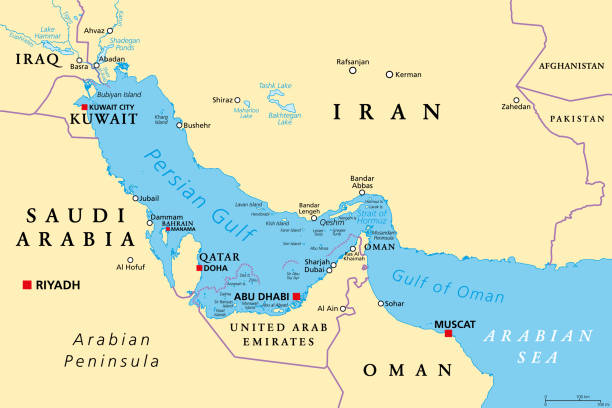
What Is Happening in the Strait of Hormuz?
The Strait of Hormuz is a narrow stretch of water between Iran and Oman. It is the only sea passage from the Persian Gulf to the open ocean, and roughly 20% of the world’s oil and cargo shipments pass through it.
Over the past few months, escalating tensions between the United States, Iran, and Israel have made this passage increasingly dangerous. Ships are being rerouted, insurance premiums are skyrocketing, and carriers are adding emergency surcharges just to keep their vessels moving.
At one point, over 3,200 vessels were reportedly stranded or delayed in the region. That kind of congestion does not stay in one place – it ripples across the entire global shipping network.
The Numbers That Kenyan Businesses Are Feeling
Let me give you a concrete example. A few weeks ago, a logistics manager in Mombasa told me his container from China to Kenya suddenly cost $700 more than the previous shipment. He called his forwarder, who explained that Maersk had introduced a new surcharge – ranging from $700 to $1,200 per container depending on the origin port.
That is not the only charge. MSC, one of the world’s largest carriers, announced an Emergency Fuel Surcharge (EFS) effective April 1, 2026. For East African routes, that means an extra $130 to $195 per container.
These surcharges are not optional. They appear on your invoice, and if you are on a tight budget, they can wipe out your profit margin in one go.
How It Is Affecting Kenyan Exports
We often talk about imports when discussing freight costs, but the exporters are the ones who have been hit hardest in this current wave.
Take Kenyan tea. We are the world’s largest exporter of black tea, and a huge portion of that tea goes to the Middle East – Iran, Iraq, UAE, Saudi Arabia. Before the current crisis, a kilo of tea could be shipped to the UAE for around $1.00 to $1.50. Today, that same kilo costs $3.00 to $3.50 to move.
For a 20‑foot container loaded with 20 tonnes of tea, that is an extra KES 500,000 or more in freight costs.
Coffee exporters are in a similar bind. Many Kenyan coffee buyers are based in the Middle East, and they are seeing the same surcharges. Some have had to renegotiate contracts or delay shipments altogether.
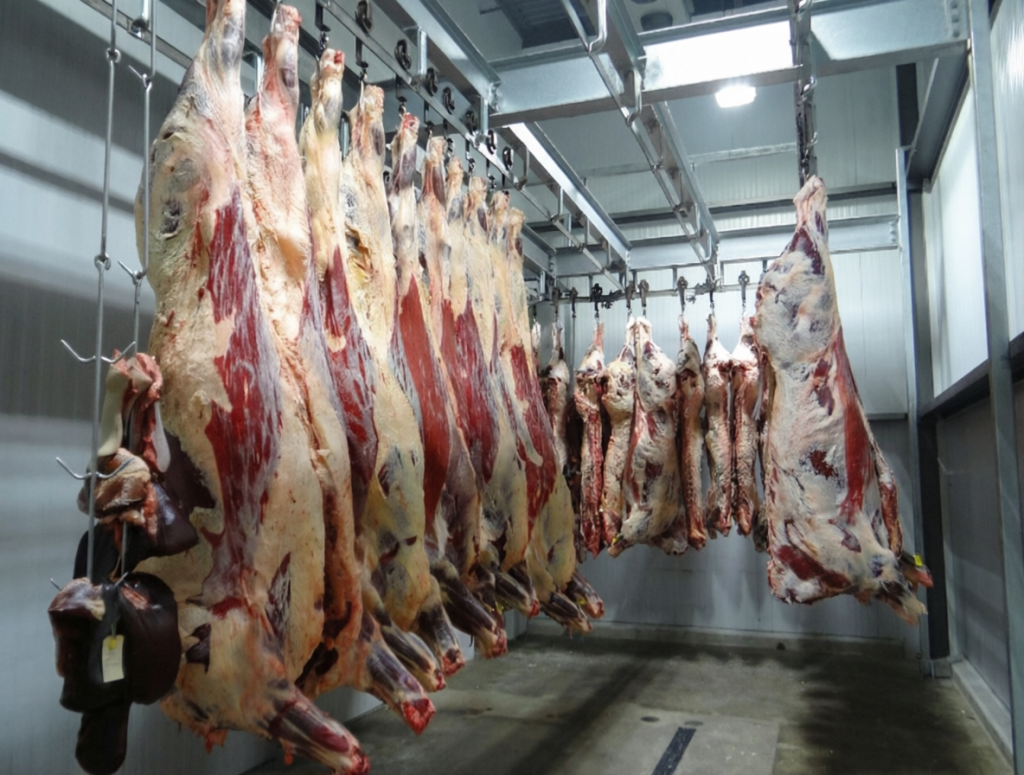
Then there is meat. Kenya recently started exporting meat to the Middle East, but the disruption has hit that sector hard. One abattoir owner told me his exports are now operating at less than 15% of normal volumes because the freight costs make his products uncompetitive.
Why the Cost of Insurance Matters
Beyond the freight rates themselves, insurance has become a major headache. Shipping through a conflict zone means underwriters are charging higher premiums. I have heard of insurance rates doubling for vessels calling at certain ports. Some cargo is simply being refused coverage.
If you are shipping high‑value goods – electronics, machinery, pharmaceuticals – you need to check with your insurer whether your policy still applies on the intended route. Some have begun excluding the Strait of Hormuz altogether.

What You Can Do Right Now
You cannot control geopolitics, but you can manage how your business responds. Here are a few practical steps I have seen smart traders take:
- Ask your forwarder for alternative routes. Some carriers are rerouting vessels around the Cape of Good Hope to avoid the Middle East. It takes longer, but the freight cost may be lower, and insurance is easier to secure.
- Build surcharges into your pricing. If you are an exporter, start quoting with a contingency for unexpected freight hikes. Many international buyers understand the current climate and will accept a variable shipping cost clause.
- Diversify your market. If the Middle East is your primary market, consider exploring Asia or Europe while the region is unstable. It is not an overnight switch, but it reduces your risk.
- Work with a freight forwarder who monitors these changes. Not all forwarders will proactively tell you about surcharges before they appear. We at Tavi Shipping track global carrier announcements daily and include them in our quotes so you are never surprised.
- Consider consolidating shipments. If you normally ship small volumes, pooling with other exporters can help you share the higher cost per container.
The Bigger Picture
This current spike in shipping costs is not a short‑term blip. As long as tensions remain high in the Strait of Hormuz, we should expect continued volatility. Carriers are already signaling that they will pass on any additional security or fuel costs directly to customers.
For Kenyan businesses, this is a test of resilience. The ones who adapt – by rethinking their routes, diversifying their markets, and building flexibility into their supply chains – will be the ones who survive and even thrive.
If you are currently facing a shipment that is stuck in limbo, or you are trying to calculate a quote that suddenly seems too high, reach out. I have been navigating these waters for years, and sometimes a fresh perspective can make all the difference.

Leave a Reply